Satellite images
Track cloud movement over Croatia and Europe in real time.
Visible spectrum
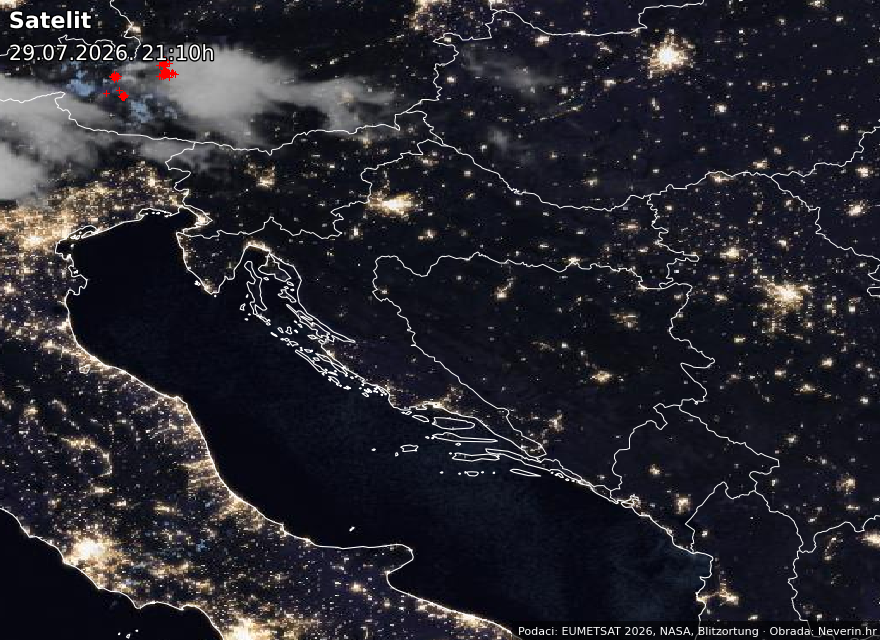
Satellite image Croatia
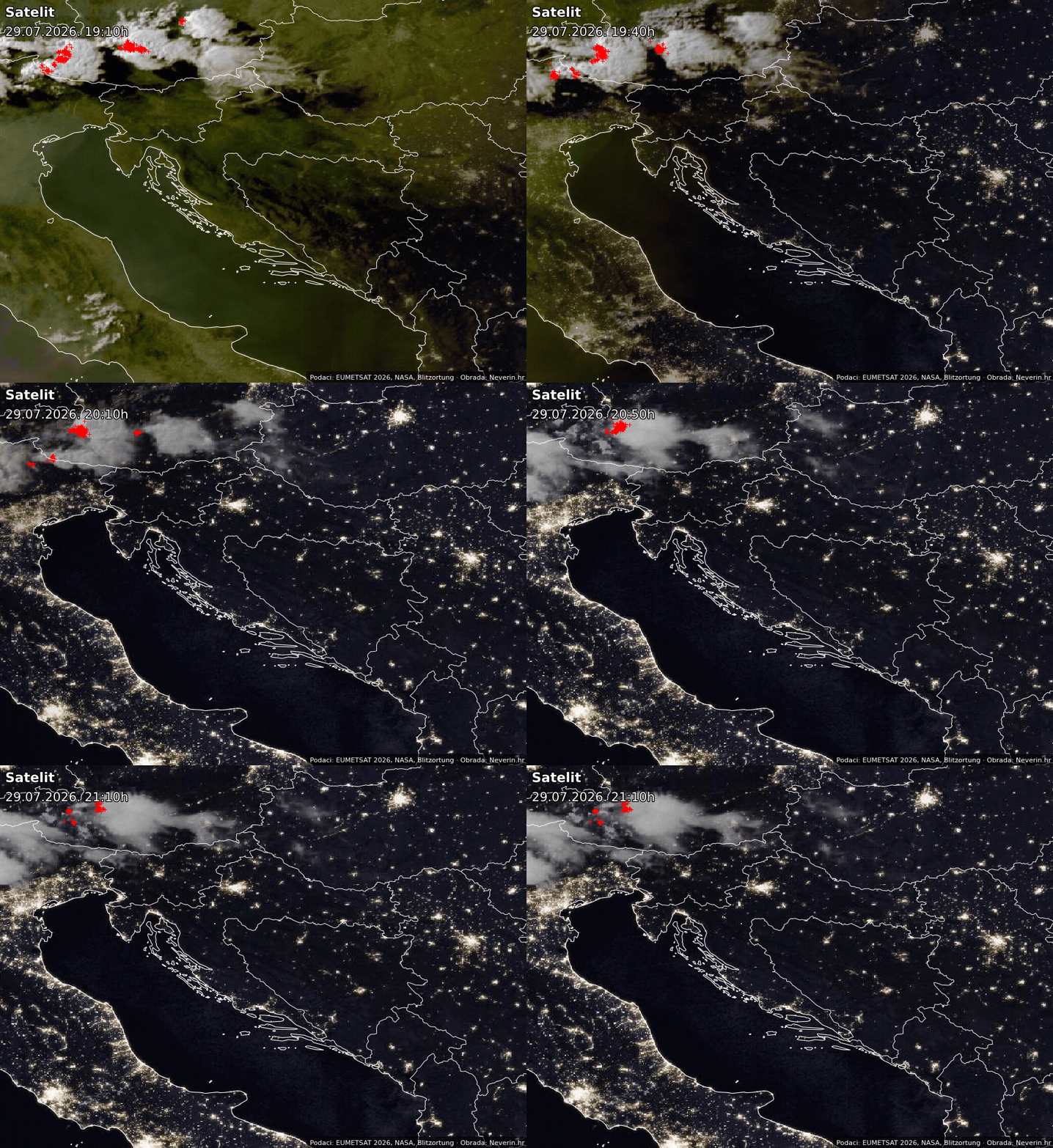
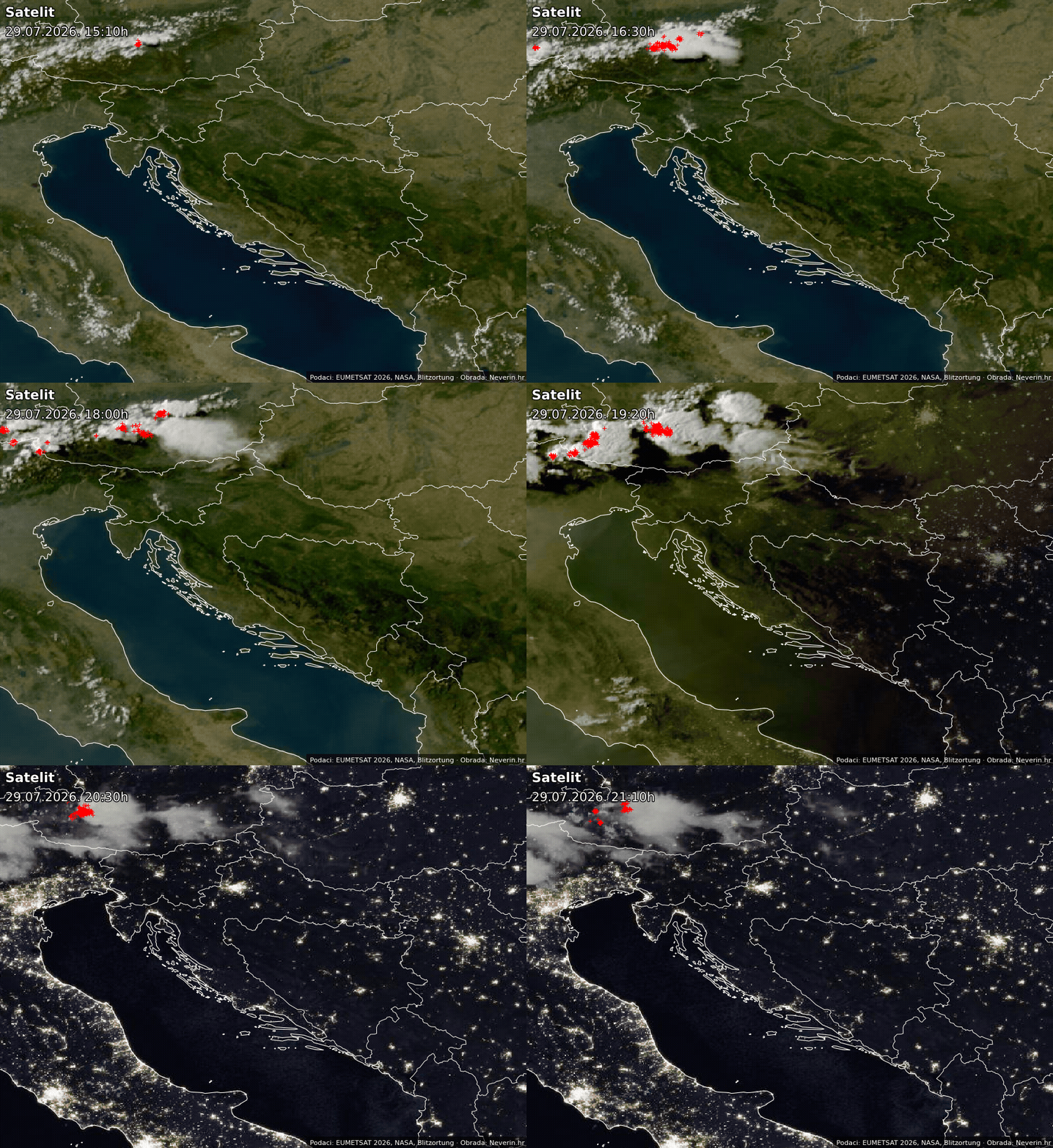
Satellite image Central Europe
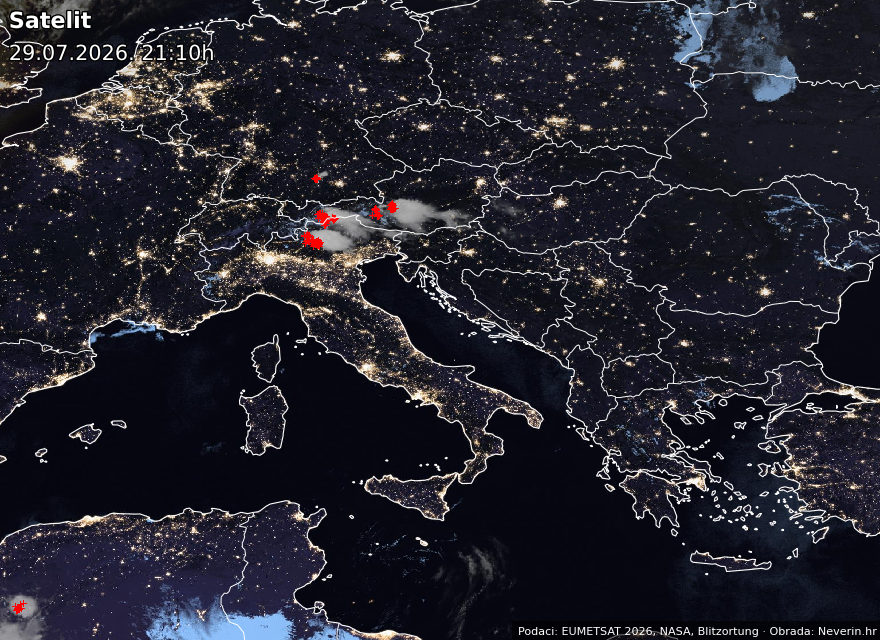
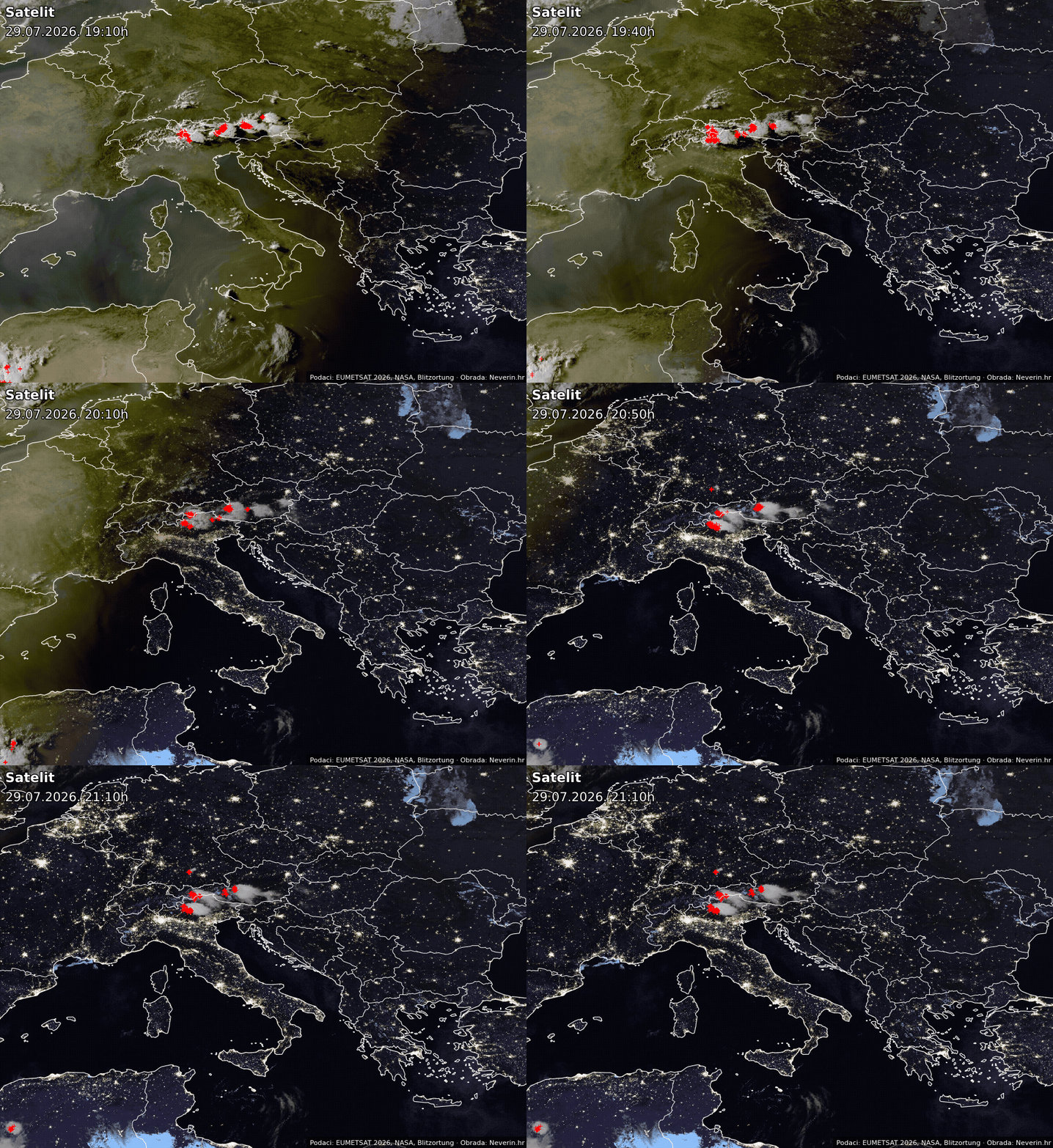
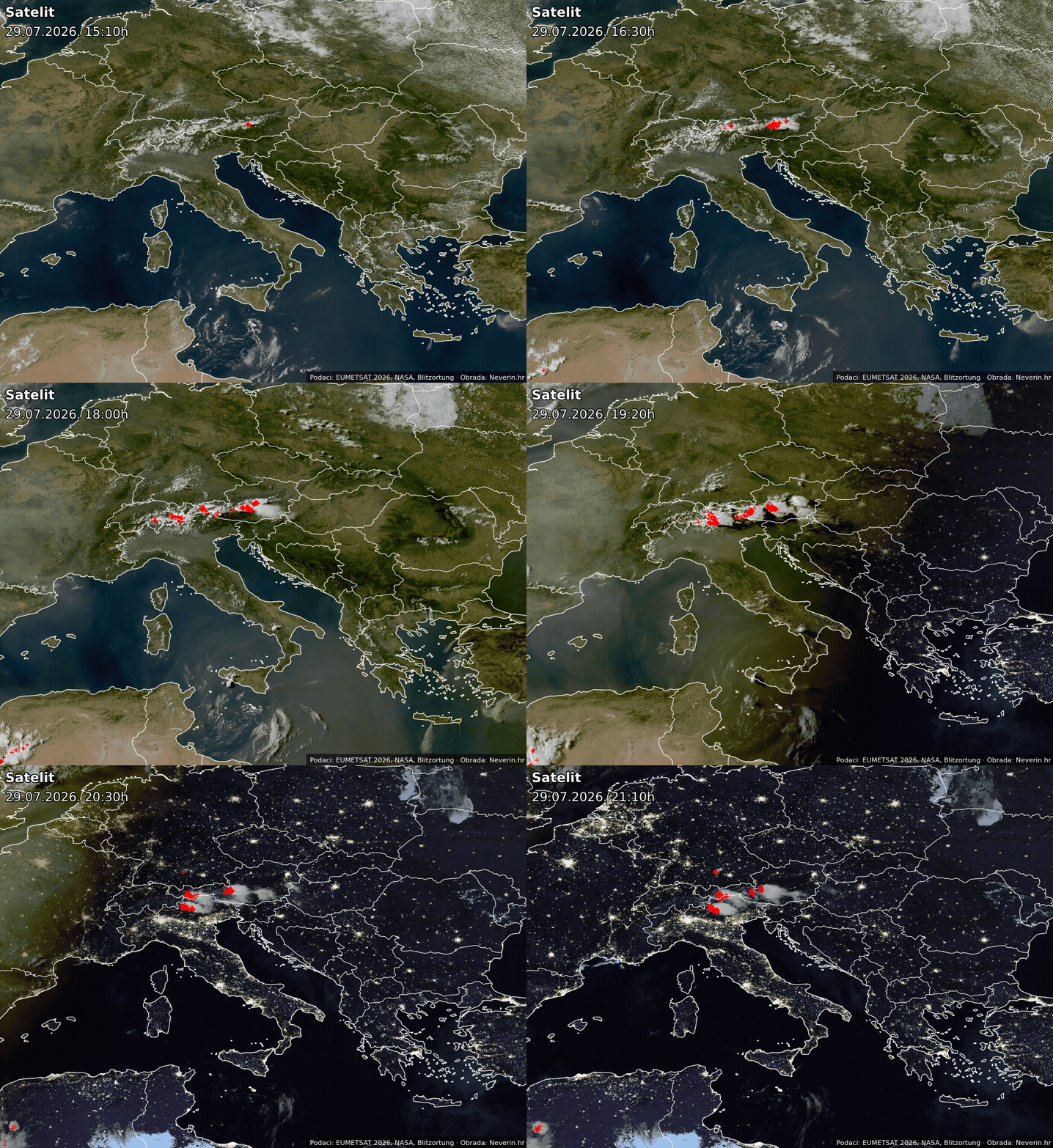
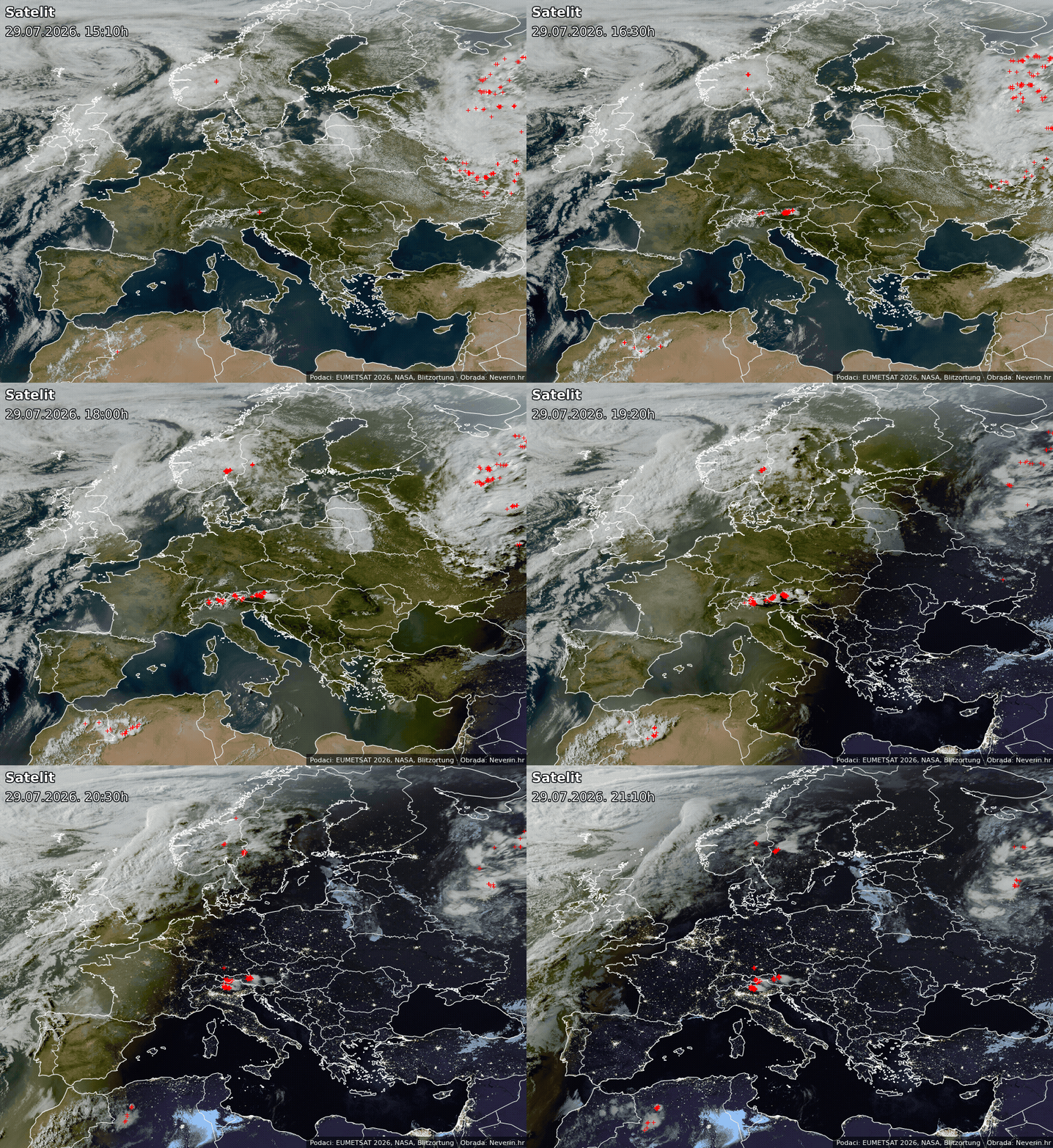
Satellite image Europe
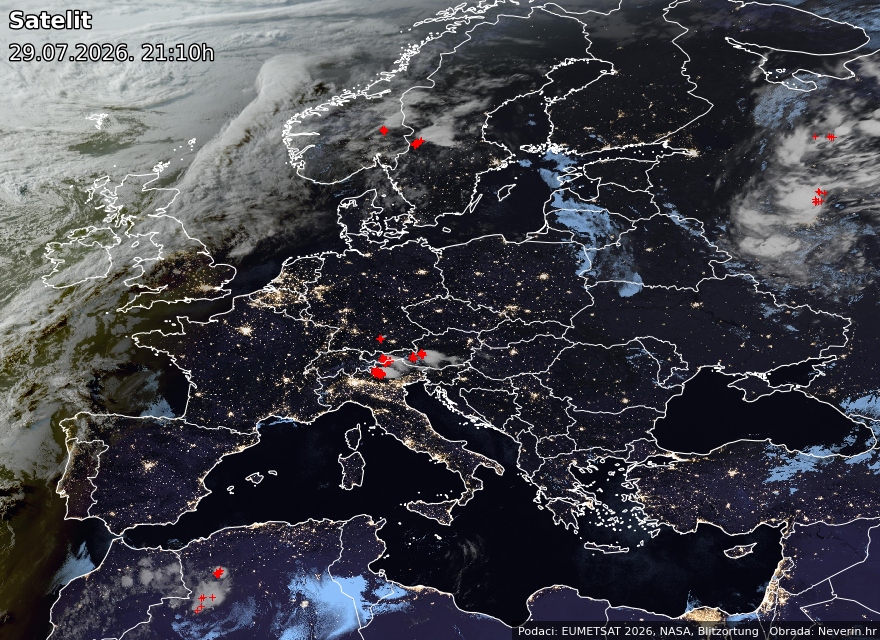
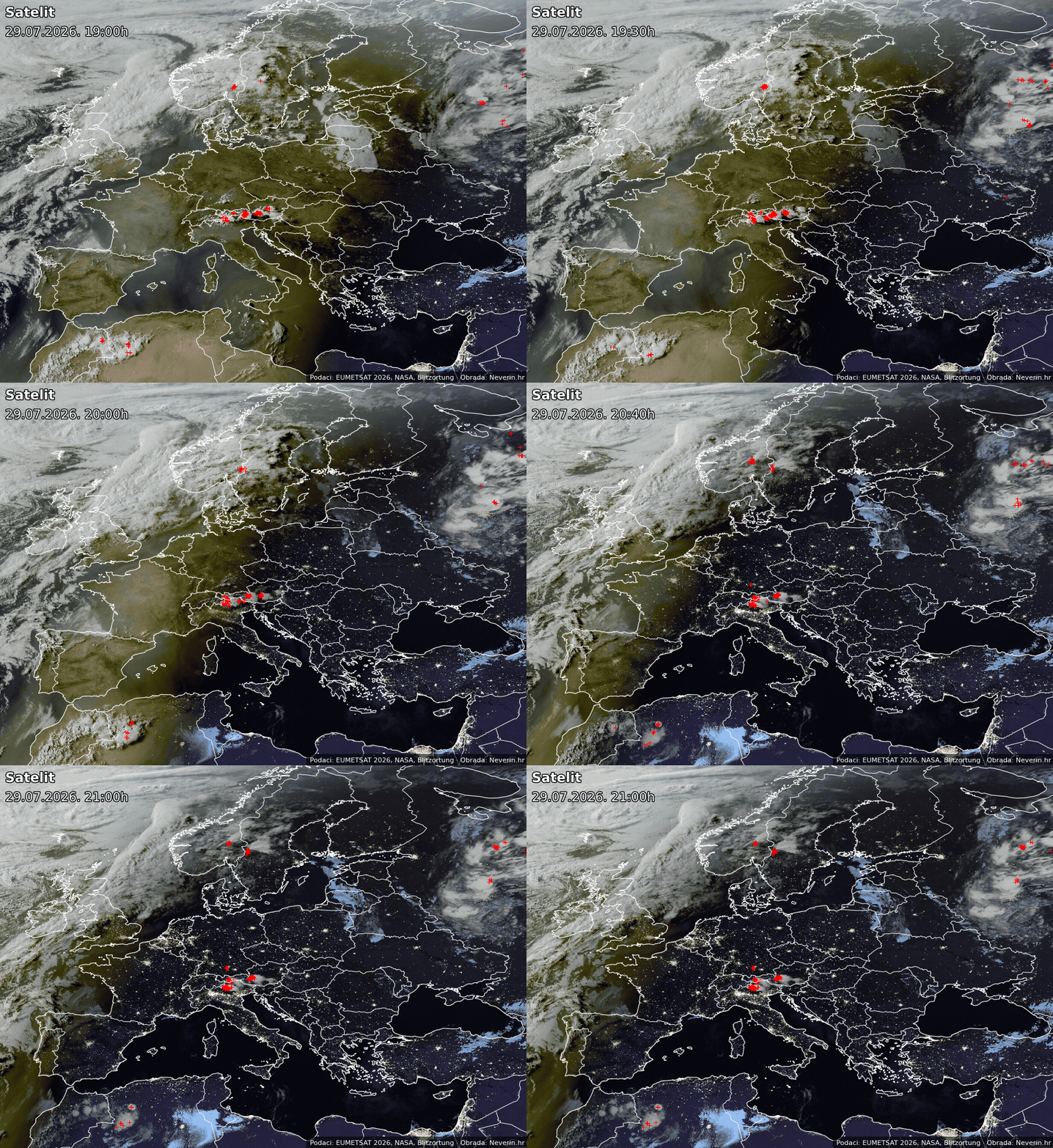
Infrared image
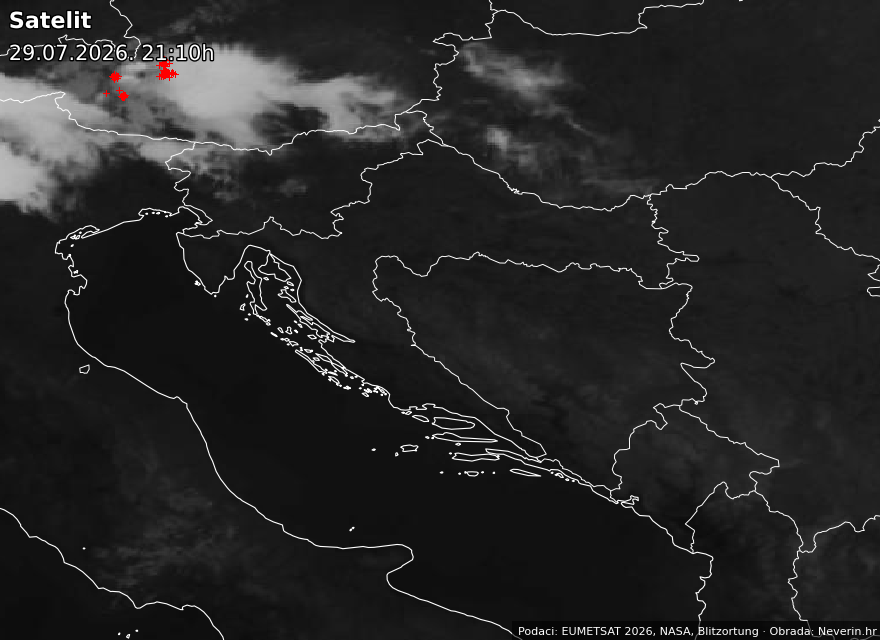
Satellite image Croatia
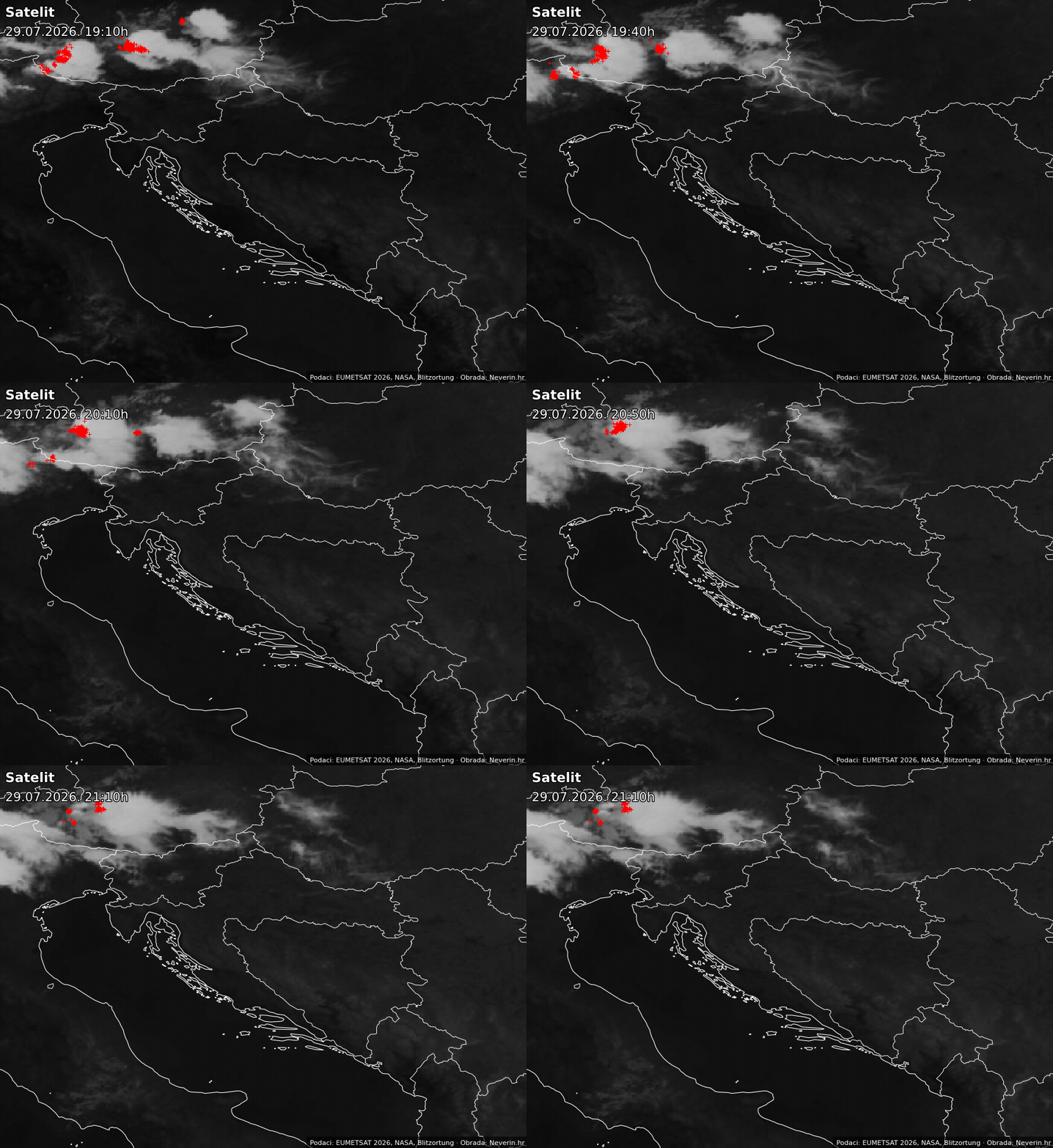
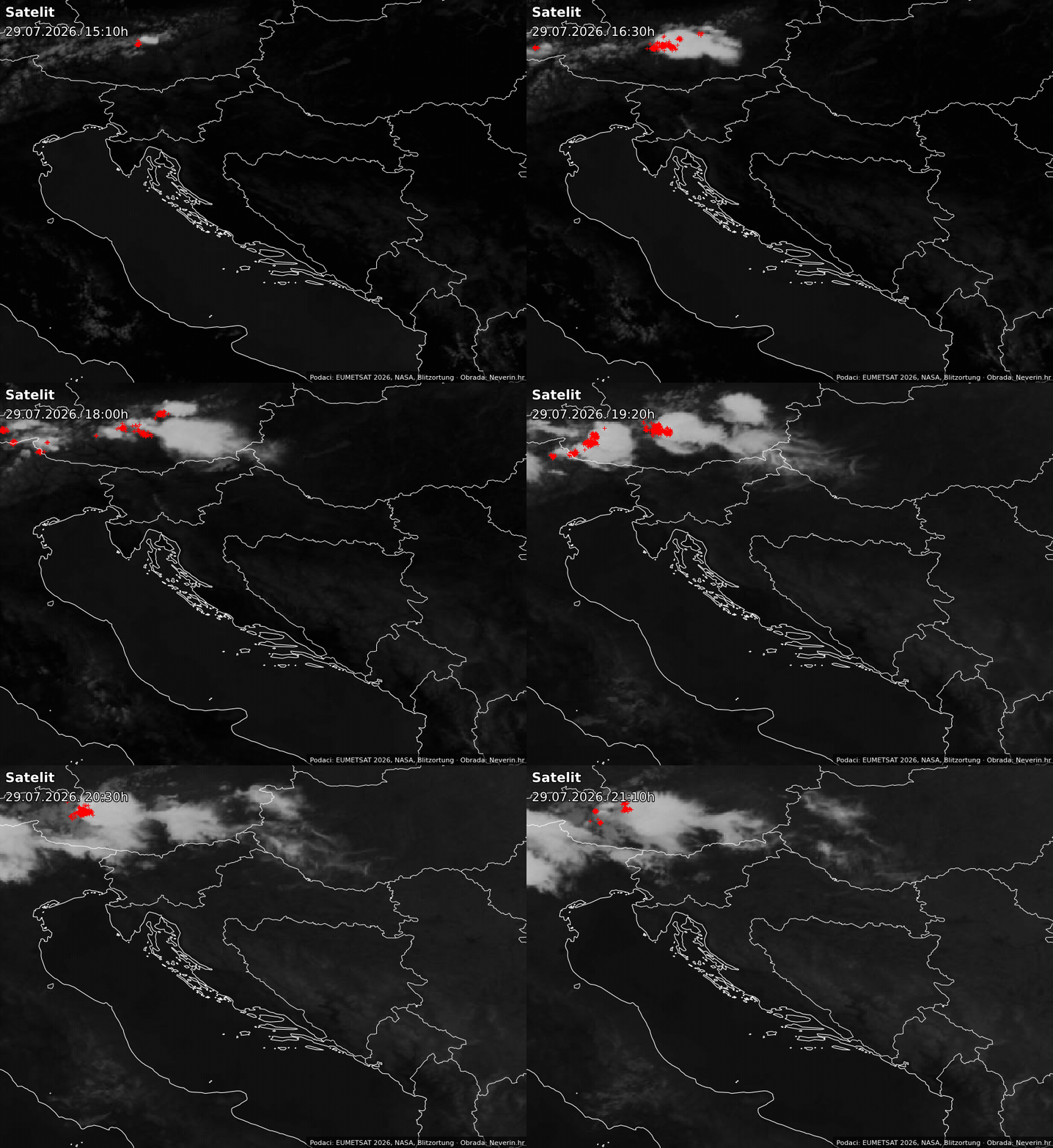
Satellite image Central Europe
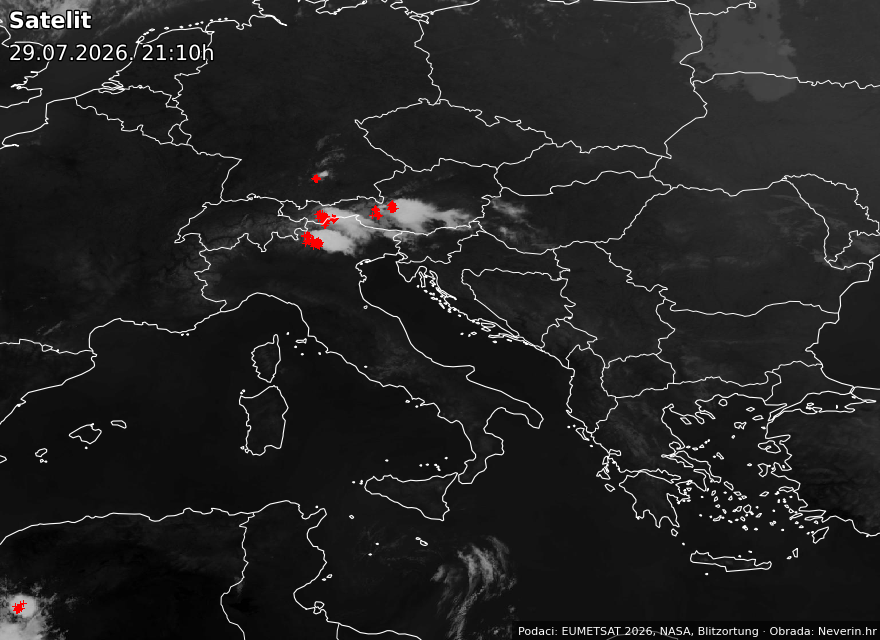
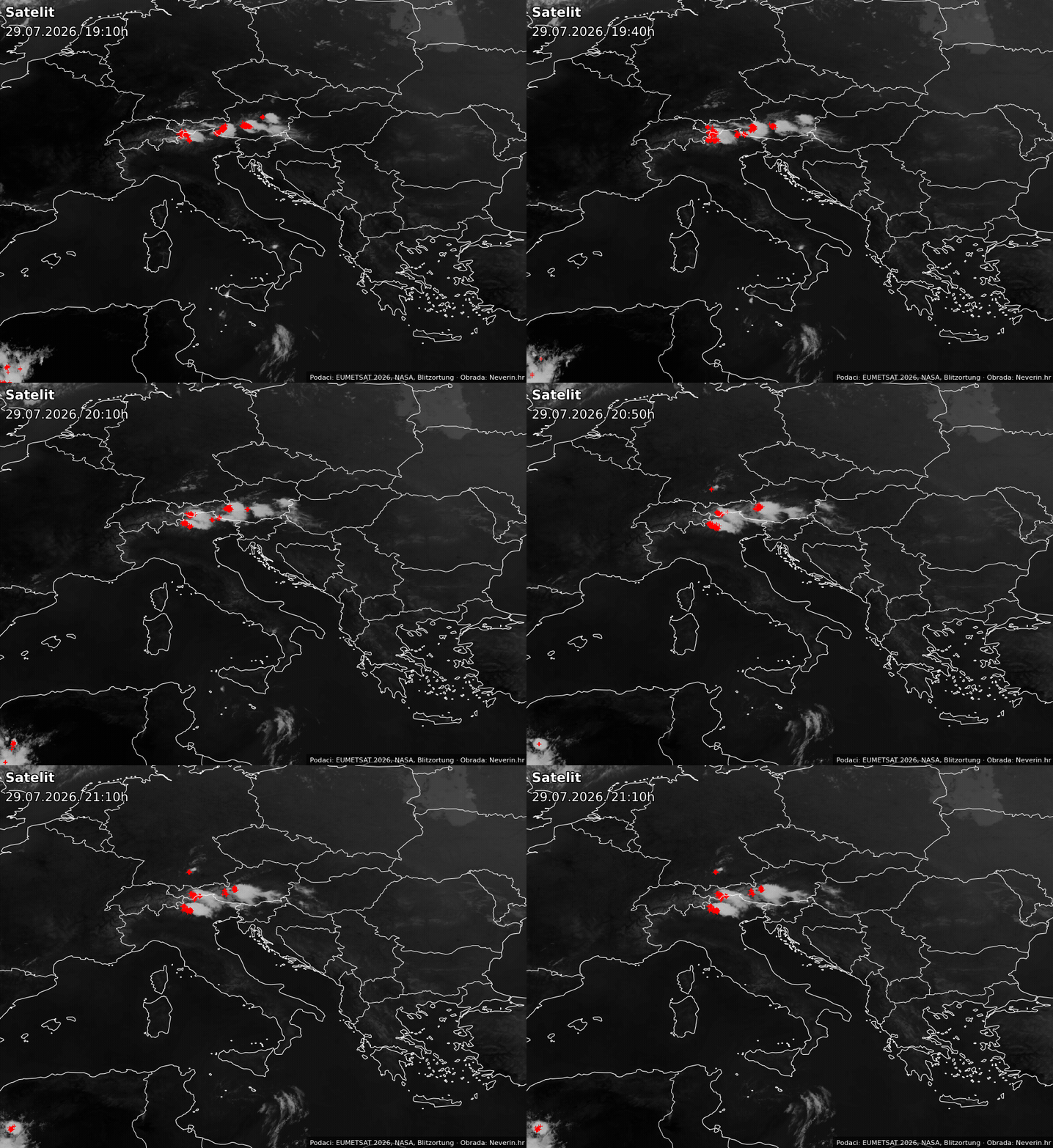
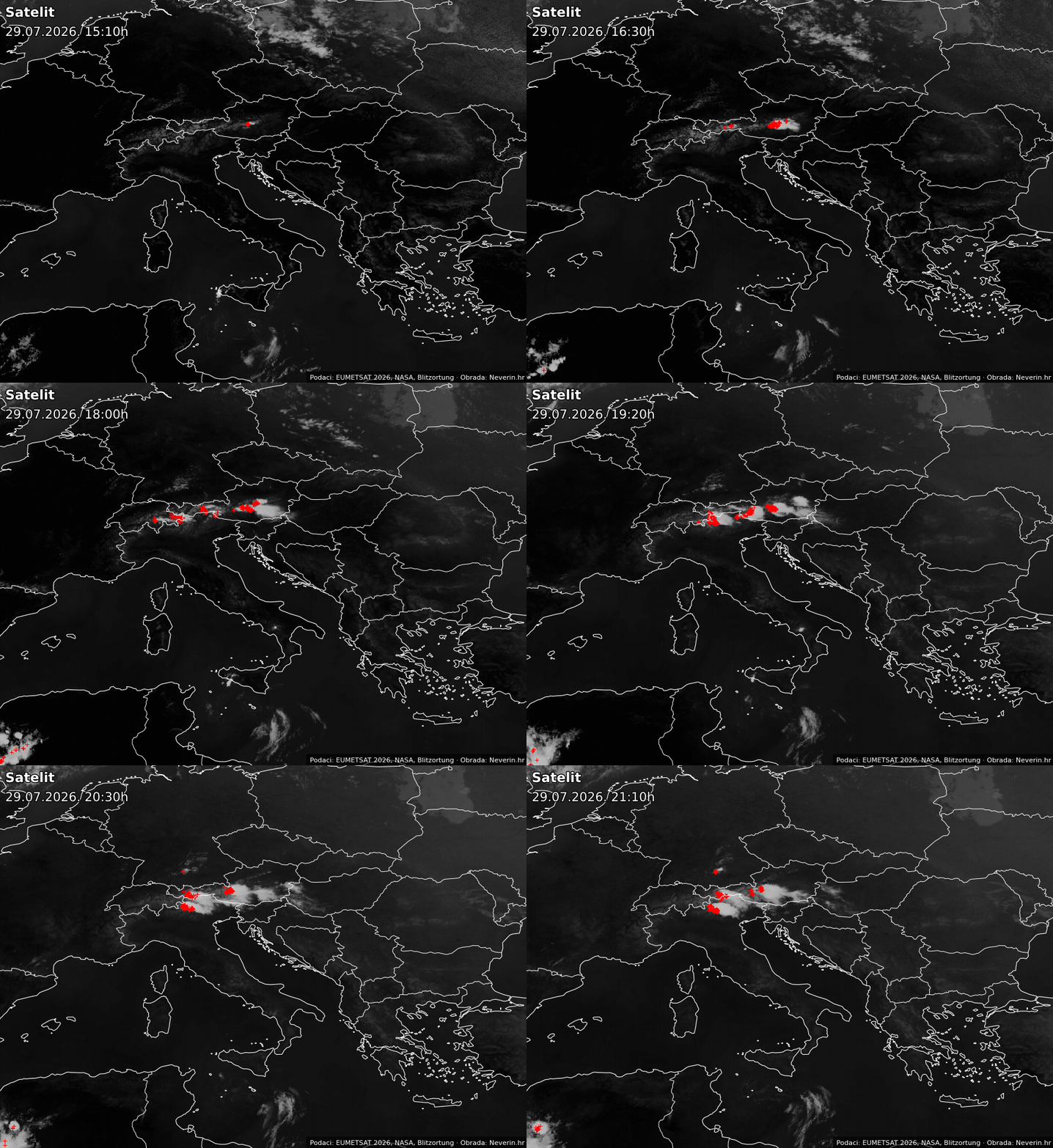
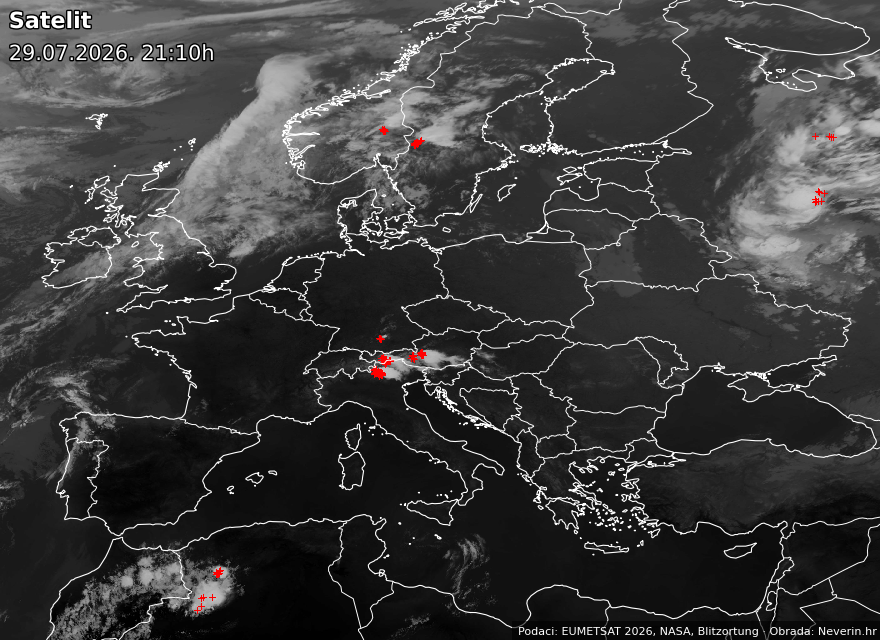
Satellite image Europe
Frequently asked questions
How often are the satellite images updated?
Satellite images are refreshed every 10 minutes. Animations cover the last 2 hours, while the 6h version shows cloud movement over a longer period.
What is the difference between the visible and infrared spectrum?
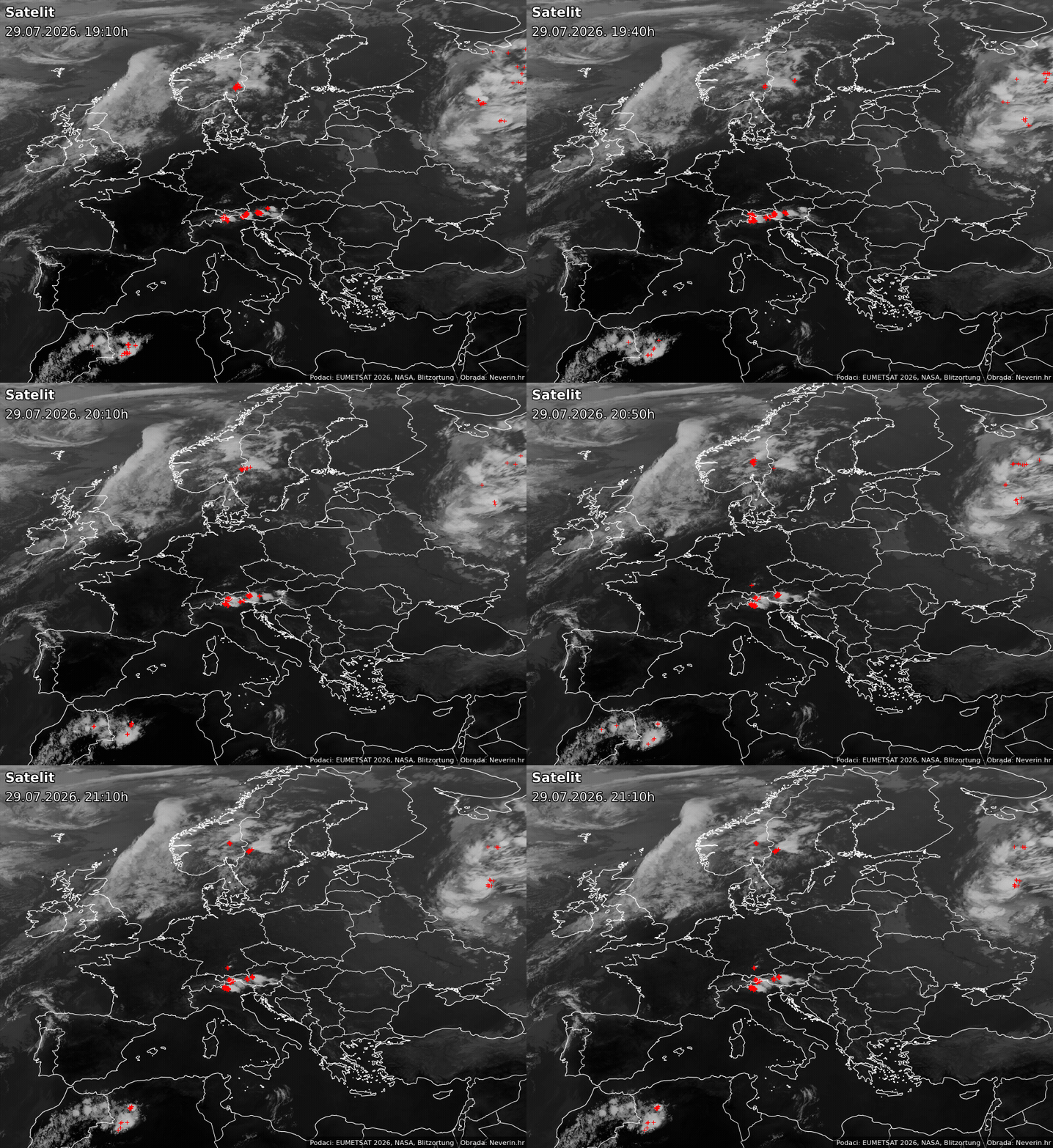
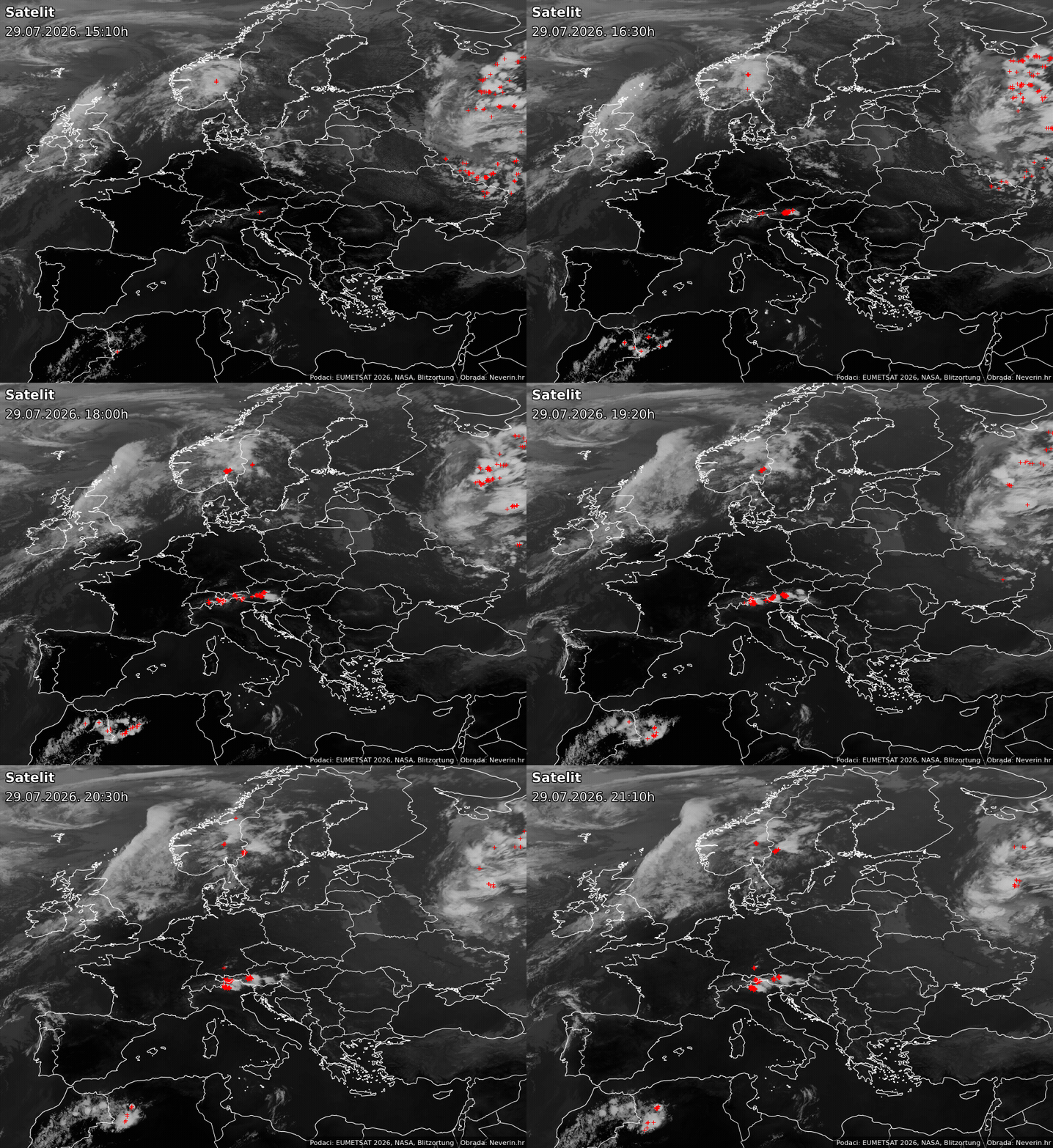
The visible spectrum shows clouds as the human eye would see them, they are clearly visible during the day, but at night the image darkens because the satellite captures reflected sunlight. The infrared spectrum measures thermal radiation and therefore works 24/7: colder, higher clouds appear brighter, while warmer, lower clouds appear darker. For convenience, Neverin uses a modified EUMETSAT Meteosat satellite product that combines the visible and infrared spectrum to provide a clearer picture of clouds throughout the day and night.
What do the red plus signs on the image mean?
The red plus signs indicate lightning (atmospheric discharges) recorded within the last 10 minutes from the time the image was created. This allows you to quickly identify thunderstorm cells within cloud systems on the satellite image.
Where do the satellite images come from?
Images are derived from the EUMETSAT Meteosat satellite, which geostationary monitors Europe, Africa and the Atlantic. Neverin processes the raw data and combines it with lightning data from the Blitzortung network to produce the final image.
Does the image also show city lights at night?
The satellite images on Neverin are a modified EUMETSAT Meteosat product that combines the visible and infrared spectrum to provide a clearer picture of clouds throughout the day and night. The city lights are obtained from a static database, it is an auxiliary layer available for geographic orientation and does not represent actual light at the time the image was created.
The data shown is for informational purposes. Although the images are processed from reliable sources, brief deviations may occasionally occur due to technical limitations of the satellite or data processing.